
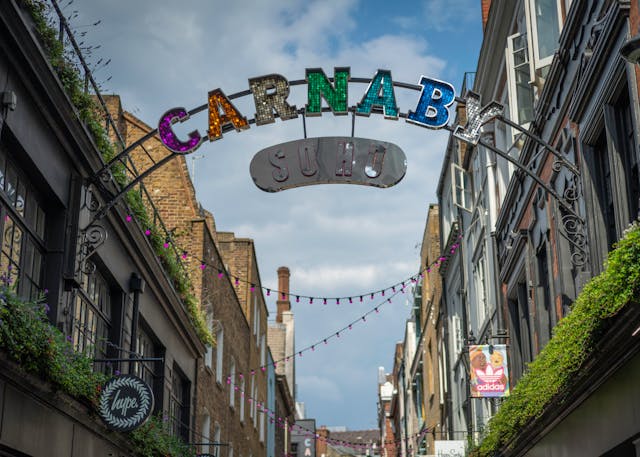
This soho restaurant hygiene guide explains how restaurants in Soho can earn and keep a 5-star food hygiene rating by controlling food handling, maintaining a clean and well-kept premises, and proving that food-safety systems work every day in practice. In Westminster, where food businesses are inspected regularly and inspections are usually unannounced, restaurants need disciplined daily routines rather than last-minute preparation.
This Soho restaurant hygiene guide is designed for busy operators who need a practical system, not generic advice. Soho is one of the hardest places in London to keep standards consistently high because the pressure points are built into daily trade. Service moves quickly, kitchens are often compact, storage can be tight, deliveries arrive through busy streets, washrooms get heavy use, and teams often finish late before starting again the next day.
A restaurant can look polished from the front and still lose marks if hygiene systems behind the scenes are inconsistent. That is why the restaurants that protect a 5-star result are usually the ones with repeatable opening checks, controlled service routines, strong closing resets, and management systems that work even on the busiest nights.
What a 5-star food hygiene rating actually means
The Food Hygiene Rating Scheme rates businesses from 0 to 5. A rating of 5 means hygiene standards are very good, while lower scores mean improvement is needed. The score is based on what the inspecting officer finds at the time of inspection, not on reputation, menu quality, reviews, or branding. That matters because a busy Soho venue can still fall short if cleaning discipline, storage control, or management checks are weaker than they appear during normal trade.
For operators, the key point is that a 5-star food hygiene rating is not just about looking clean on one day. It is about showing that food is handled safely, the premises are kept in good hygienic condition, and the business has working controls in place to maintain standards consistently. The FSA’s guidance is clear that businesses should aim for a 5, and the rating reflects the standards found during the inspection itself. For the official Food Hygiene Rating Scheme criteria, see the Food Standards Agency guidance.
What inspectors check in a Soho restaurant
A strong Soho restaurant hygiene guide helps turn inspection prep into a repeatable daily routine. Inspectors assess three main areas, and a strong soho restaurant hygiene guide has to focus on all three because weakness in one area can drag the rating down.
1. Hygienic food handling
This covers how food is prepared, cooked, cooled, reheated, stored, and served. Inspectors want to see that the kitchen is controlling contamination risks properly, keeping safe temperatures where required, and maintaining safe handling practices in real operating conditions. In a Soho restaurant, this is especially important during peak periods when pressure can tempt shortcuts.
2. Physical condition of the premises
The condition and cleanliness of the building, equipment, fixtures, handwash facilities, and storage areas all matter. Surfaces need to be cleanable, wash hand points need to be usable, and the environment has to support hygienic work rather than making it harder. In practice, restaurants lose marks here when maintenance slips, when cleaning access around equipment is poor, or when heavy use is not matched by a strong cleaning routine.
3. Food safety management
This is where many businesses underestimate inspections. Officers are not only assessing what they can see. They also want confidence that the restaurant has working systems to keep standards up every day. The FSA’s Safer Food Better Business tools emphasise opening checks, closing checks, cleaning schedules, diaries, and regular review. That means the business needs routines, supervision, and records that reflect real practice, not paperwork created only when an inspection feels close.
Why Soho restaurants need a different hygiene approach
A generic restaurant article is not enough for Soho because Soho trading conditions create more friction than quieter locations. Teams often work in tighter kitchens, move faster between lunch and dinner service, manage stronger delivery demand, and deal with higher customer turnover in both front and back of house. Waste builds up more quickly, washrooms need more frequent resets, and late-night trading can cause closing standards to slip if the system depends too heavily on people remembering tasks from habit.
That is why the best-performing restaurants treat hygiene as an operating system rather than a cleaning task. They divide responsibility between opening, service, and close. They make standards visible. They know exactly what has to be checked before the first prep starts, what has to be controlled during service, and what cannot be left unfinished at the end of the night. A strong soho restaurant hygiene guide should help managers turn those expectations into repeatable routines that can survive busy weekends, staff changes, and surprise inspections.
Soho restaurant hygiene guide: daily checks that protect a 5-star rating
The best way to protect a 5-star result is to break the day into checkpoints. That matches the FSA’s own approach in Safer Food Better Business, where opening checks, closing checks, and cleaning schedules are treated as everyday control tools.
Before opening
Before service begins, the shift lead should check that fridges, freezers, and chilled display equipment are working properly, food is stored in the correct place, handwash stations are stocked, cleaning equipment is usable, and prep surfaces are clean and ready for safe use. This is also the time to confirm that the previous close was completed properly rather than assuming everything is fine because the dining room looks presentable.
During service
During service, the focus shifts from deep cleaning to control. Worktops and prep areas need to stay hygienic, spillages should be dealt with quickly, bins should not be left to overflow, wash hand discipline has to remain visible, and storage rules need to hold even during pressure. In Soho, this is where standards often drift, because busy teams can start prioritising speed over method. A strong restaurant hygiene checklist prevents that by making service-safe habits part of the workflow, not an optional extra.
End of shift
Closing checks should be treated as a full hygiene reset. The FSA’s opening and closing guidance includes points such as checking fridges and freezers, covering and labelling food, disposing of food past its use-by date, removing waste, replacing bin bags, cleaning and disinfecting food-preparation surfaces, and cleaning dirty cleaning equipment. For Soho restaurants, a proper close should also include floor edges, under-counter areas, grease-prone spots, handles, washrooms, and front-of-house touchpoints so the next day starts clean rather than compromised.
Weekly and monthly cleaning tasks that stop standards slipping
Daily work protects the basics, but weekly and monthly routines are what stop hidden problems from building up. The FSA cleaning-schedule templates are useful because they force businesses to define what is cleaned, how often, what precautions apply, and what cleaning method is used. That structure is exactly what busy restaurants need if they want standards to stay consistent rather than becoming dependent on memory or goodwill.
Weekly priorities usually include fridge seals, shelving, low-level edges, splashbacks, storage areas, washrooms, and front-of-house details that affect both hygiene and customer confidence. Monthly or rotational tasks should go deeper into behind-and-beneath equipment areas, grease build-up points, less visible surfaces, harder floor edges, and the maintenance issues that make cleaning more difficult over time. When these tasks live in a written restaurant cleaning checklist, the team is much less likely to postpone them until they become visible problems.
Common reasons Soho restaurants miss out on 5 stars
Many restaurants do not miss out on 5 because standards are disastrous. They miss out because standards are inconsistent. Records may be incomplete. Cleaning may happen informally but not be evidenced. Storage discipline may weaken during busy periods. Handwash stations may not stay fully stocked. Minor maintenance issues may be tolerated for too long. Management may believe the systems are understood, but staff on shift cannot explain them clearly enough when asked. Those gaps line up directly with the areas inspectors assess.
Another common weakness is over-reliance on one experienced manager or chef. If one person carries the whole system in their head, standards become fragile whenever that person is off-site, busy, or replaced. The businesses that hold a 5-star food hygiene rating most reliably are usually the ones where safe methods are understood across the team and checks are embedded into the shift structure rather than into one person’s memory.
How to prepare for an unannounced Westminster food hygiene inspection
Westminster says over 5,000 food outlets are registered with the council and are inspected regularly. The FSA says authorised officers will usually arrive without making an appointment and can inspect at a reasonable time. That means a Soho restaurant should operate on the basis that inspection readiness is not a seasonal project. It is part of the weekly routine.
The most practical way to prepare is simple. Keep opening and closing checks current. Make sure cleaning schedules are active and realistic. Confirm staff can explain key routines confidently. Fix obvious maintenance issues early. Keep handwash points and sanitising points clear and usable. Avoid back-filling records after the event.
When the systems are real, the inspection becomes easier because the restaurant is showing its normal standard rather than trying to create a performance. This is the part of the soho restaurant hygiene guide that matters most commercially as well as operationally, because a strong rating supports customer confidence and protects reputation in a competitive area like Soho. Westminster also explains how food safety inspections are carried out for local food businesses.
When professional cleaning support helps a Soho restaurant
Even well-run restaurants can struggle to keep standards where they need to be when service is intense week after week. Professional support becomes useful when the team needs help with deeper scheduled cleaning, washroom presentation, floor care, grease-prone areas, or keeping front and back of house aligned during particularly busy periods. For broader hospitality cleaning support, LitMex also works with venues that need reliable standards across front-of-house and back-of-house areas.
That support works best when it strengthens the restaurant’s hygiene system rather than trying to replace it. A strong soho restaurant hygiene guide should therefore treat cleaning support as part of the wider standards framework, not as a last-minute rescue. For specialist restaurant cleaning in London, LitMex supports hospitality venues that need consistent standards between services.
Frequently asked questions
What does this Soho restaurant hygiene guide help managers improve?
It helps managers strengthen day-to-day hygiene routines, prepare for Westminster food hygiene inspection visits, improve consistency across opening and closing checks, and reduce the risks that can prevent a 5-star food hygiene rating.
What do food hygiene inspectors check in a restaurant?
They assess hygienic food handling, the physical condition of the premises and facilities, and how well the business manages food safety through systems, records, and supervision.
Are food hygiene inspections announced in advance?
Usually not. The FSA says authorised officers from the local authority will usually arrive without making an appointment.
What does a 5-star food hygiene rating mean?
A 5 means hygiene standards are very good. It is the top score in the Food Hygiene Rating Scheme.
What should be cleaned every day in a restaurant?
Daily priorities include food-preparation surfaces, equipment touchpoints, floors, bins, handwash areas, washrooms, and the service areas that are used constantly throughout the day. The cleaning schedule should be written down and followed consistently.
Do restaurants need written hygiene records?
Restaurants need to be able to show that food safety management is active in practice, and the FSA’s SFBB materials include diaries, reviews, opening checks, closing checks, and cleaning schedules to support that.
How often are restaurants inspected?
Inspection frequency depends on the type of business and its previous record. Some premises may be inspected at least every six months, while others are inspected less often.
Can a restaurant improve its rating after an inspection?
Yes, but the most effective route is to correct the underlying issues properly and make sure the improvements are real, repeatable, and visible in everyday operations before any follow-up process is considered. The rating reflects the standards found during inspection.
Closing paragraph
Used properly, this soho restaurant hygiene guide should help a Soho operator turn hygiene from a reactive inspection concern into a reliable daily system. In a district where standards are tested by pace, pressure, and visibility, the restaurants most likely to keep a 5-star food hygiene rating are the ones that make hygiene part of how the business runs every day, not just part of how it prepares when inspection feels close. You can also explore our wider commercial cleaning services if you manage multiple sites or mixed-use premises. Use this Soho restaurant hygiene guide as a working reference for managers, chefs, and supervisors responsible for daily standards.